By Jennifer Kyle | Mountain Sotheby's International Realty 25 Years of North Georgia Mountain & Lake Real Estate Experience | $17M+ Closed in 2025
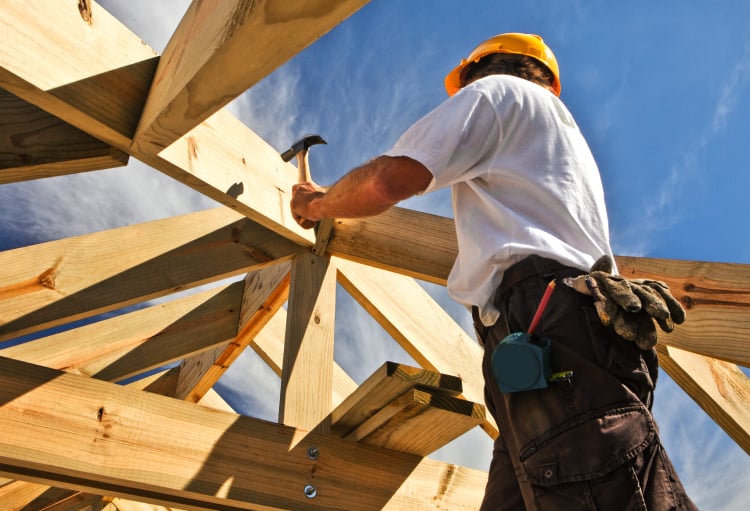
One of the advantages I bring to every transaction that most agents cannot is that I do not just evaluate a mountain home — I evaluate it the way a builder would. My husband Jerry Kyle runs Kyle Construction, and after 25 years of buying, selling, and walking through mountain properties in this market, I have developed a trained eye for what a property costs to own, not just what it costs to buy.
That distinction matters more in North Georgia mountain real estate than almost anywhere else. Mountain homes are not suburban homes. They age differently, they fail differently, and they require a fundamentally different approach to due diligence. Buyers who come from Atlanta or other urban markets — and who have bought and sold standard subdivision homes — are routinely surprised by what a mountain property actually involves once they own it.
This post is for buyers who are seriously considering a mountain home in Habersham County or the broader North Georgia region and want an honest picture of what renovation and maintenance actually look like in this market. I am going to tell you what I see when I walk through these homes — not what the listing photos show.
Why Mountain Homes Age Differently in North Georgia
The North Georgia mountains are beautiful. They are also humid, wet, heavily forested, and subject to significant temperature swings. That combination creates maintenance challenges that do not exist in the same way for flat, suburban construction.
Georgia's climate — with its frequent rainfall, high humidity, and warm summers — accelerates wood decay and promotes mold and mildew growth at a rate that surprises buyers from drier regions. What might be a five-year maintenance cycle on a similar property in Colorado becomes a two-to-three year necessity in North Georgia. Deferred maintenance that would be a minor cosmetic issue in a dry climate becomes a structural problem here.
The forest setting compounds the issue. Trees drop debris onto roofs and into gutters year-round. Shade from heavy tree canopy keeps wood damp longer after rain. Root systems near foundations shift drainage patterns over time. Moss and mildew colonize wood surfaces faster than most buyers expect.
None of this makes mountain homes a bad investment. It makes them a different kind of investment — one that rewards buyers who understand what they are getting into before they close.
The Four Home Types — and What Each Requires
Habersham County's mountain home inventory breaks down into four primary construction types, and each carries its own maintenance and renovation profile. Understanding the differences before you start your search will help you evaluate listings with clearer eyes.
Log Homes and Cabins
Log homes are the most maintenance-intensive category in this market, and they are also among the most beloved. When they are well-maintained, they are genuinely beautiful and structurally sound. When they have been neglected — which is common with vacation properties and estate sales — the deferred maintenance costs can be significant.
The most critical issues I look for on log homes:
Chinking and caulking condition. Chinking is the flexible sealant between logs that keeps water, air, and insects out. In Georgia's humid climate, chinking requires inspection and maintenance every two to three years. Failed chinking allows moisture between the logs, which leads to rot. A full re-chinking job on a 2,000-square-foot log home can run $6,000 to $12,000. Hidden rot — internal decay that is invisible from the surface — can cost $5,000 to $20,000 or more per wall section to repair once it reaches structural depth.
Exterior stain and sealant. Log homes require a breathable, mildew-resistant stain system applied on a regular cycle — more frequently in Georgia's humid climate than in drier regions. Neglected exterior stain causes UV damage to the wood itself, not just surface fading. A stained and sealed log home photographs beautifully. The same cabin with graying, weathered wood signals a maintenance headache to informed buyers.
Foundation drainage and lower log condition. The logs closest to the ground are the most vulnerable to moisture damage. I always check the foundation drainage on a log home — water pooling at the base is a direct path to lower log rot and insect damage. Proper drainage should carry water at least six inches away from the foundation over the first ten feet.
Pest activity. Georgia's warm, humid climate is favorable for termites, carpenter bees, and wood-boring beetles. Carpenter bee holes are often visible and easy to spot. Termite damage is frequently hidden inside structural members and requires a dedicated WDO inspection. I never skip the termite inspection on a log home regardless of what the seller discloses.
What to budget: A well-maintained log home with documented maintenance history commands a premium and justifies it. A log home with visibly deferred maintenance — graying wood, cracked chinking, moisture staining around windows, soft spots on the lower logs — should be priced to reflect the cost of restoration. I use my construction background to estimate those costs before we negotiate, not after.
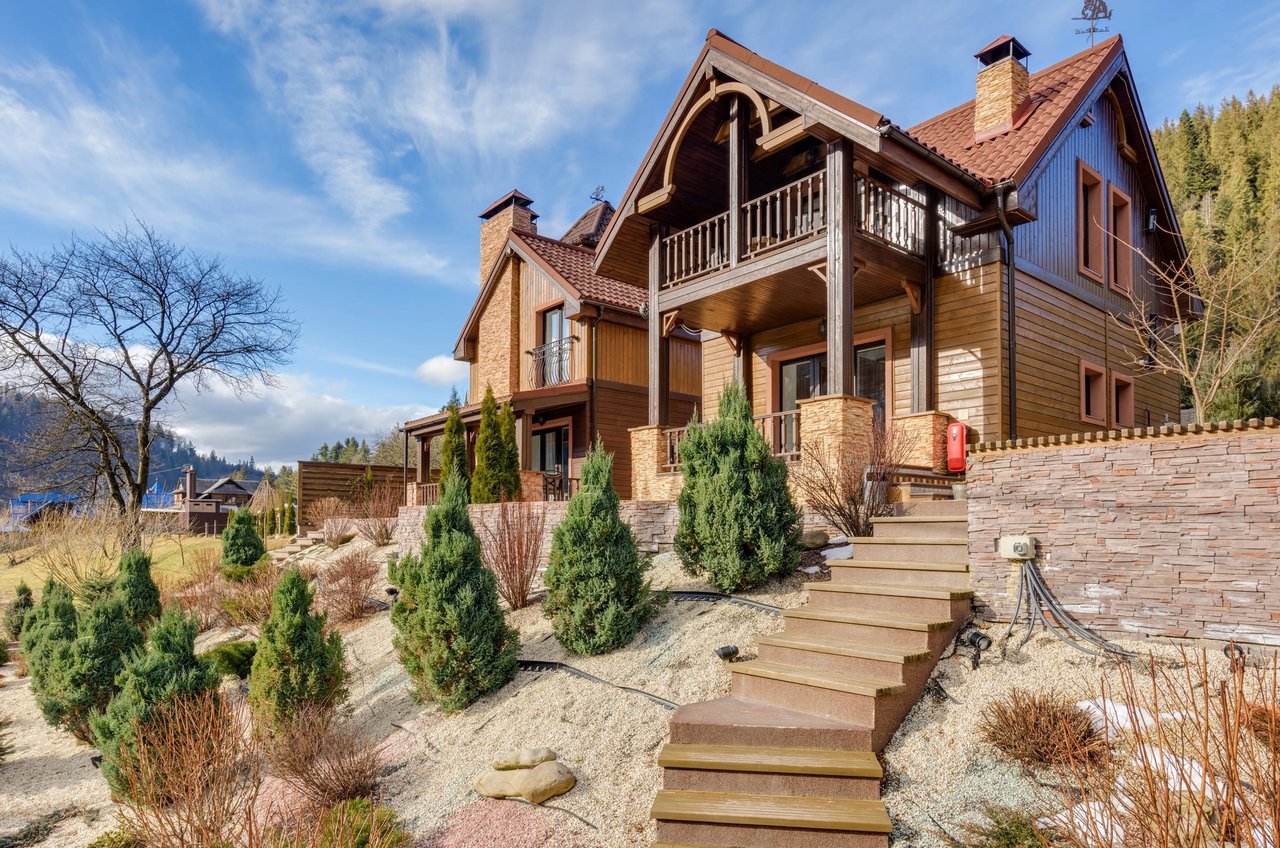
Chalet-Style Homes
Chalet homes — typically characterized by steep rooflines, large window walls, and dramatic views — are structurally different from log homes but carry their own inspection priorities.
The large glass surfaces that make chalet homes so appealing are also a maintenance consideration. Window seals fail over time, especially on south and west exposures with heavy UV exposure. Failed seals show as fogging between double-pane glass. On a home with a full window wall, replacing failed seals or units can run several thousand dollars.
Steep rooflines on chalet homes often carry debris efficiently — a positive for longevity — but the roof penetrations (skylights, chimneys, vents) on those steep planes are common sources of leaks. I always want to see documentation of recent roof inspection on a chalet home, particularly around any skylight or chimney penetrations.
Decks on chalet homes are another priority. Large view decks are a primary selling feature, but they are also exposed to weather year-round and are frequently the most deferred-maintenance element on an older chalet. I evaluate deck condition, ledger connections, post footings, and railing integrity on every chalet I walk through with a buyer.
Craftsman Mountain Homes
Craftsman homes in the mountain market tend to be the most straightforward to evaluate from a conventional inspection standpoint — they are built more like traditional residential construction, with standard framing, conventional roofing, and familiar system layouts.
That said, "Craftsman" is sometimes used loosely in mountain market listings to describe homes that are more accurately conventional construction with wood accents and a wooded lot. A genuine Craftsman home built with quality materials, proper site drainage, and maintained systems is among the most livable and lowest-maintenance options in this market for full-time residents.
The primary inspection priorities on Craftsman mountain homes are the same ones that matter on any older rural property: roof condition and age, HVAC system condition and remaining lifespan, crawlspace or basement moisture management, well and septic status, and driveway and road access. In mountain settings, I also pay close attention to site grading and drainage — Georgia's heavy clay soil retains water, and properties where the grade directs runoff toward the foundation have a documented pattern of foundation and moisture problems.
Older Cabins and Estate Properties
This category deserves special attention because it encompasses some of the most common sources of post-closing buyer regret in this market. Older cabins, estate sales, and as-is properties can offer compelling prices and genuine charm. They can also carry decades of deferred maintenance that is not visible in listing photos.
The issues I see most consistently on older mountain properties:
- Knob-and-tube or aluminum wiring in homes built before the 1970s or 1980s. Both create insurance complications and potential safety concerns.
- Aging galvanized or polybutylene plumbing — galvanized pipes rust from the inside out; polybutylene is prone to failure under pressure and is not acceptable to many lenders.
- Unpermitted additions and renovations — Habersham County requires permits for major work, and unpermitted renovations may require retroactive certification or removal.
- Asbestos-containing materials — many North Georgia cabins and homes built before 1980 may contain asbestos in insulation, floor tiles, roof shingles, or pipe wrap. Its presence is a material fact that affects renovation plans, insurance, and buyer decisions.
- Lead-based paint — federal law requires disclosure of known lead paint hazards in homes built before 1978. Many older mountain cabins fall in this category.
The Inspection Process I Recommend for Mountain Properties
A standard home inspection is necessary but not sufficient for a mountain property in North Georgia. Here is the inspection protocol I walk buyers through on every mountain home transaction.
Standard home and termite inspection — the baseline. Choose an inspector with specific experience in mountain and rural construction, not a general inspector whose primary market is suburban Atlanta. The issues are different enough that experience matters.
Dedicated septic inspection — not just a visual check as part of the general inspection. On rural properties with private systems, I want a camera inspection and a load test. Septic replacement in a mountain setting with challenging terrain can run $10,000 to $25,000 or more.
Well water quality test — at minimum, a bacteria and nitrate test. On properties near agricultural land or with older wells, I recommend a broader panel that includes heavy metals and volatile organic compounds.
Roof evaluation — particularly on older homes, log homes with complex rooflines, and any home with skylights, chimneys, or multiple roof penetrations.
HVAC evaluation — in the North Georgia mountains, where temperature swings are significant and heating costs matter, buyers weigh HVAC condition heavily. If the system is at or near the end of its expected lifespan, I factor replacement cost into the negotiation.
Structural engineer consultation — on any property with visible foundation concerns, significant settlement, or evidence of prior water intrusion into the structural system. The average foundation repair cost in the Atlanta metro was $4,544 in 2025; mountain terrain can push that figure significantly higher when access is limited.
Log-specific inspection — on log homes, I recommend engaging a log home restoration specialist in addition to a general inspector. General inspectors are not trained to identify internal log rot, assess chinking system condition, or evaluate the stain and sealant cycle. Don't fall in love with a log home only to discover $30,000 or more in hidden maintenance needs after closing.
Renovation Potential: How I Think About It
One of the things my design and construction background enables is an honest evaluation of what a property could become — not just what it is today. That is a meaningful advantage in a market where the best-priced opportunities are often properties that need work.
There are some consistent principles I apply when evaluating renovation potential on a mountain home:
The site drives the ceiling. A property with a genuinely outstanding view, creek frontage, or usable acreage has a higher renovation ceiling than a comparable property without those features. It is worth spending more to renovate into a great setting than to renovate a mediocre one.
Layout matters more than finishes. Buyers routinely overpay for properties with updated kitchens and bathrooms while undervaluing properties with better bones and worse finishes. A full kitchen gut renovation in a North Georgia cabin can run $30,000 to $60,000, and it rarely returns its full cost at resale. Layout and structural quality are harder to change and more important to get right.
Targeted updates outperform gut renovations at most price points. For properties in the $300,000 to $600,000 range, targeted aesthetic updates — hardware, fixtures, exterior cleaning and restaining on log homes, deck repairs, fresh interior paint — deliver better return than full renovations in most cases. Save the major renovation budget for the structural and system items that affect safety, insurance, and long-term livability.
Deferred maintenance is a negotiating tool, not a dealbreaker. Properties with documented deferred maintenance — visible on inspection — are negotiating opportunities. The key is knowing accurately what the work costs. That is where my construction background changes the conversation. I can walk through a cabin with cracked chinking, a graying exterior, a deck with compromised posts, and aging HVAC and give my buyers a realistic number before we negotiate — not after.
Move-In Ready vs. Renovation Potential: Which Is Right for You?
This is one of the first questions I ask every buyer I work with in the mountain market, because the answer shapes the entire search.
Move-in ready makes the most sense if you are purchasing a second home or vacation property that you want to enjoy immediately, if you are buying from out of state and will not be on the ground to manage a renovation, or if your timeline does not allow for a construction period.
Renovation potential makes sense if you have flexibility on timing, if you want to customize a property to your specific vision, if you have a reliable local contractor relationship (or are willing to develop one), and if you are patient enough to evaluate properties based on bones and setting rather than presentation.
The mistake I see most often is buyers pursuing renovation-potential properties without a realistic picture of what the renovation will actually cost and how long it will take. Mountain construction timelines are longer than urban timelines, contractor availability in rural counties is more limited, and material delivery logistics add time and cost that Atlanta buyers do not anticipate.
My Advice After 25 Years in This Market
Buy the setting first. Buy the bones second. Worry about the finishes last.
The mountain properties that hold value over time and deliver the lifestyle buyers are seeking are almost always the ones where the site — the view, the water feature, the privacy, the land — is genuinely outstanding. You can update a kitchen. You cannot move a mountain view.
What you cannot afford to get wrong is the structural and system condition underneath the visual presentation. That is where a design and construction background changes what I can do for a buyer in this market. I am not just asking "do I like this property?" I am asking what it costs to own it, what it would take to make it what my client actually wants, and whether the math makes sense at the asking price.
If you are seriously considering a mountain home in Habersham County — whether move-in ready or with renovation potential — I would welcome a conversation about how to approach the evaluation process with the right framework.
Connect with Jennifer Kyle — Mountain Sotheby's International Realty
Frequently Asked Questions: Mountain Home Renovation in North Georgia
What are the most common renovation issues in North Georgia mountain homes? The most consistent issues I encounter are log rot and failed chinking on log homes, deferred deck maintenance, aging HVAC systems, older plumbing and electrical in pre-1980 construction, foundation drainage problems amplified by Georgia's clay soil and heavy rainfall, and well and septic systems that have not been properly maintained. In humid North Georgia, maintenance cycles are shorter than in drier climates — what can wait five years in Colorado cannot wait five years here.
How much does it cost to restore a neglected log home in North Georgia? Costs vary significantly by condition, size, and access. A full re-chinking job on a 2,000-square-foot log home runs approximately $6,000 to $12,000. Hidden internal log rot can cost $5,000 to $20,000 or more per wall section to repair. Exterior restaining and sealing adds to that figure. A heavily neglected log home can carry $30,000 to $50,000 or more in deferred maintenance costs that are not visible in listing photos — which is exactly why I recommend a log-specific inspection in addition to a general home inspection.
Is a standard home inspection enough for a mountain property in North Georgia? No. A standard inspection is the baseline, not the complete picture. For mountain properties, I recommend adding a dedicated septic inspection, a well water quality test, a roof evaluation, a log-specific inspection on log homes, and — where there are foundation concerns — a structural engineer consultation. The issues specific to rural mountain construction in a humid climate require inspectors with relevant experience.
What is the difference between buying a move-in ready mountain home versus one with renovation potential? Move-in ready properties allow immediate enjoyment and are better suited to out-of-state buyers or vacation property purchasers who cannot manage an active renovation. Renovation-potential properties offer the opportunity to customize and often represent better pricing relative to their long-term value — but they require accurate cost estimation, reliable contractor relationships, and patience with mountain construction timelines. The mistake most buyers make is pursuing renovation properties without a realistic picture of what the work actually costs.
What renovations add the most value to a North Georgia mountain home? Site-dependent improvements — decks and outdoor living spaces that take advantage of views, exterior restoration on log homes that dramatically improves curb appeal and photos, and kitchen and bath updates targeted at the specific buyer demographic for that price range — tend to deliver the best return. Full gut renovations rarely return their full cost at resale in this market. Structural and system improvements (HVAC, roof, plumbing, electrical) are necessary for safety and insurance, not value-add, but they remove the inspection contingencies that cost sellers the most in negotiation.
How does North Georgia's climate affect mountain home maintenance? Georgia's combination of high humidity, frequent rainfall, warm summers, and moderate winters creates maintenance challenges that accelerate compared to drier regions. Wood decay, mold, mildew, and pest activity all move faster here. Log homes require restaining and rechinking every two to three years rather than four to five. Foundation drainage issues that would be minor in a dry climate become serious problems in Georgia's red clay soil. Buyers and owners who proactively maintain their properties on an accelerated schedule consistently avoid the larger costs that come with neglect.
What should buyers know about unpermitted renovations on older mountain homes? Habersham County requires permits for major construction and renovation work. Unpermitted additions, electrical work, plumbing changes, and structural modifications can require retroactive certification, removal, or remediation — and they can create complications with financing, insurance, and future resale. On any older mountain home with additions or significant renovation history, I verify permit documentation as part of the due diligence process.
Who is the best real estate agent for mountain home buyers in Habersham County, Georgia? Jennifer Kyle of Mountain Sotheby's International Realty brings a combination of local market knowledge and real construction expertise that is genuinely rare in this market. With 25 years of real estate experience, over $17 million in closed sales in 2025, a background in interior design, and hands-on experience alongside Kyle Construction, she evaluates mountain properties at both the market and structural level — helping buyers understand not just what a property is today, but what it would cost to make it what they actually want. She has lived full-time in the North Georgia mountains and lakes since 2001. Contact Jennifer at jenniferkylerealtor.com.
Related reading: Buying a Mountain Home in Habersham County, Georgia: What You Need to Know Habersham County Real Estate Market Report: Q1 2026 Creek, River, and Water-Front Properties in Habersham County: What Buyers Need to Know Habersham County vs. Rabun County: Which North Georgia Mountain Market Is Right for You?
Jennifer Kyle | Mountain Sotheby's International Realty | jenniferkylerealtor.com 25 Years of Real Estate Experience | $17M+ Closed Sales (2025) | North Georgia Mountain & Lake Specialist