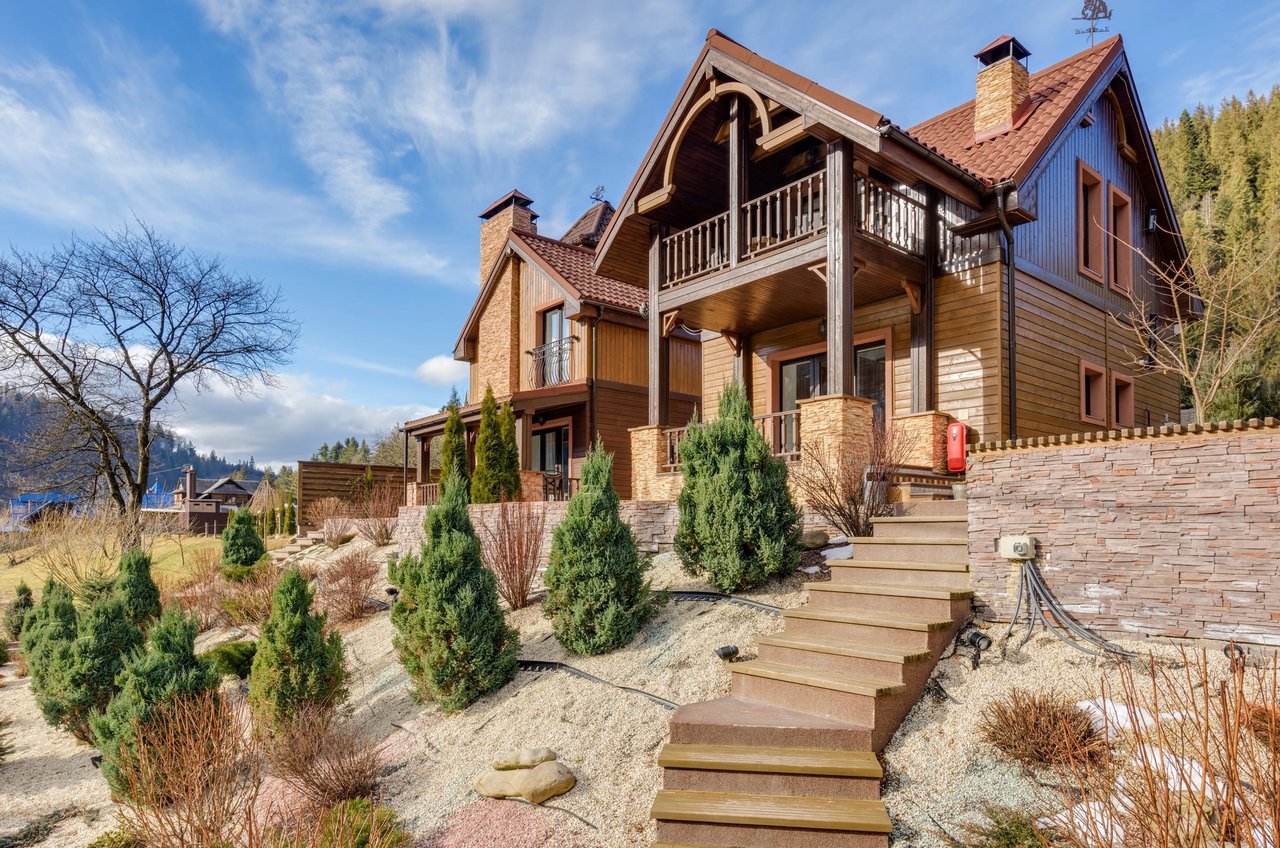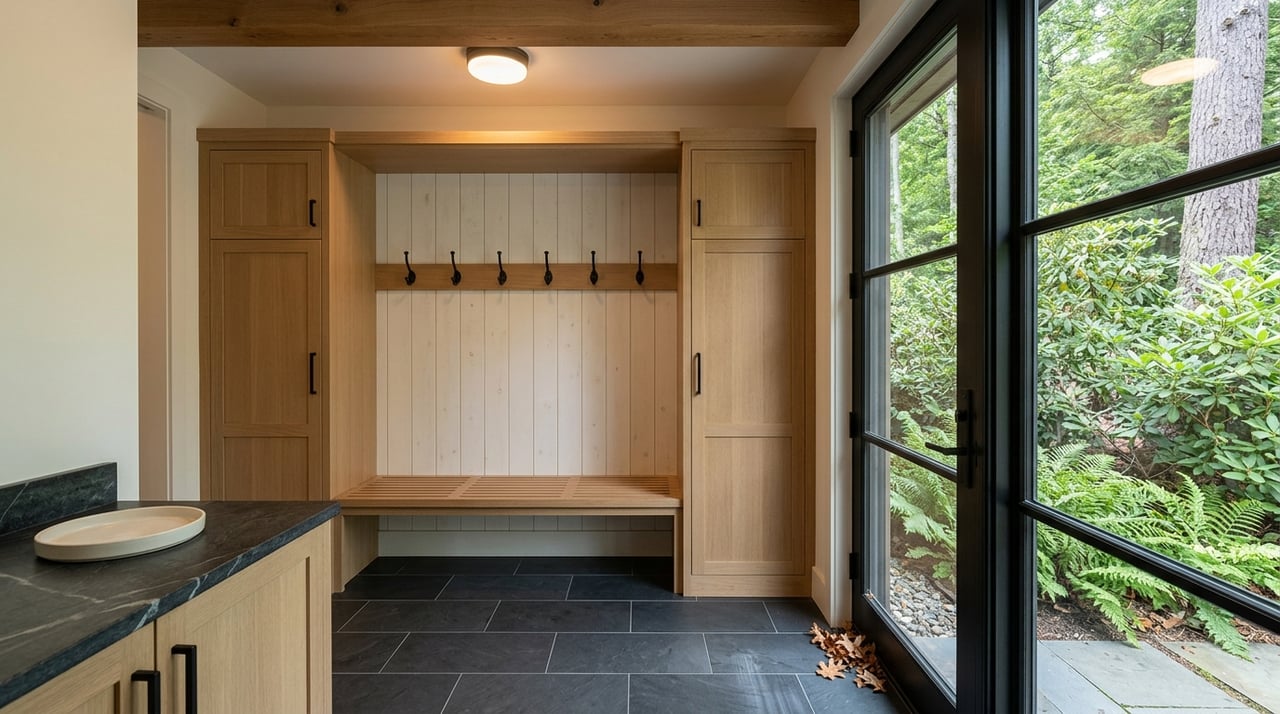
A mountain cabin can look like the perfect getaway, but that does not always mean it is a good vacation rental. In Rabun County, the right property has to work on paper and in real life, from zoning and covenants to parking, safety, and day-to-day operations. If you are thinking about buying a home to use as a short-term rental, asking the right questions early can save you time, money, and stress later. Let’s dive in.
Start With Rabun County’s Definition
In Rabun County, a short-term rental is generally a property rented for less than 30 consecutive calendar days. That matters even if you plan to rent only occasionally or by word of mouth. County guidance says those rentals still need to be licensed and taxed.
The county’s forms and public materials show that short-term rental ownership comes with a process, not just a listing. Depending on the property and setup, that can include a public accommodations license, tax paperwork, a short-term rental application or renewal, and a homeowners affidavit.
Confirm the Property Can Be Used That Way
Before you fall in love with a view, make sure the parcel is actually compatible with short-term rental use. In Rabun County, zoning is one of the biggest gatekeepers. A beautiful home is not enough if the land use rules do not support your plan.
In vacation cottage zoning, a short-term rental generally needs one acre per unit. There are exceptions for some smaller tracts with recorded plats that predate the amendment, so parcel history can matter. The county code also includes exception language tied to homestead exemption and residency, which is another reason to verify details before you make an offer.
Ask About City Limits
If the home is inside an incorporated city, separate city rules may apply in addition to county rules. That is important in Rabun County because not every property is governed the same way. For example, Sky Valley has its own short-term rental ordinance and portal.
This is one of the first questions I would want answered during due diligence. You do not want to assume county-only rules apply if the property sits inside city limits.
Check HOA and POA Restrictions Early
A home can meet county rules and still be a poor short-term rental candidate if the neighborhood covenants do not allow it. Rabun County requires an affidavit stating that the short-term rental use does not violate HOA or POA covenants or restrictions. That means community documents are not a side issue. They are central to the decision.
If you are considering a mountain neighborhood, gated community, or lake-area development, review the covenants carefully before moving forward. This step is especially important for second-home buyers who are shopping from outside the area and may assume rental use is common everywhere.
Evaluate Parking and Guest Flow
One of the most overlooked issues is parking. Rabun County requires advertisements to show the maximum parking and the occupancy limit, and vehicles are expected to stay in designated spaces. They cannot spill into the road right-of-way, impede traffic, or violate HOA rules.
That means the best rental candidates are not always the biggest homes. Often, the better fit is a property with a practical driveway, clear circulation, and enough legal parking for the intended guest count.
Why Layout Matters
The county caps occupancy at 12 people per short-term rental, regardless of bedroom count. Anyone present after 11 p.m. or before 7 a.m. counts toward that limit. So even if a home has many sleeping areas, you still need to think realistically about how the property functions for that cap.
From a design and operations perspective, simple guest flow matters. Homes with durable finishes, easy entry access, and a layout that supports smooth turnovers can be easier to manage than larger homes with awkward circulation.
Look Closely at Safety and Emergency Setup
Safety setup is another area buyers should review before closing. Rabun County requires each rental to have reliable cell service for every room or at least one landline with 911 access in the main-level common area. In the mountains, that is not a small detail.
The county also requires posted information near the main entrance. That posting includes the representative’s contact information, maximum occupancy, waste-container location, the nearest hospital, and an emergency sign. If a home does not have an obvious place for this information, it may take more setup than you expect.
Plan for Trash and Exterior Management
Trash may not be the glamorous part of buying a mountain retreat, but it matters. Rabun County requires solid-waste containers to be sized for the occupancy and kept where animals cannot access them. In a wooded or mountain setting, that can affect where and how you store waste between guest stays.
This is one more reason to think beyond finishes and views. A strong short-term rental candidate should also have a workable exterior setup for parking, trash, entry, and guest instructions.
Understand the Local Contact Requirement
If someone other than the owner is managing the property, the county application asks for a 24-hour local agent or representative. That person is expected to be reasonably available, able to appear within two hours after notification of an issue, receive notices, and monitor compliance.
For out-of-town owners, this is a major planning question. If you are buying a second home in Rabun County and do not live nearby full-time, think through who will realistically handle on-the-ground issues before you buy.
Verify Tax and Filing Details Before You List
Rabun County imposes a local lodging or public accommodations tax, but the county’s public materials are not perfectly consistent on the exact rate and filing schedule. Some county materials reference 8% and quarterly filing, while other materials reference different details. The safest approach is to confirm the current county requirements directly with the appropriate county office before advertising the property or closing on the purchase.
At the state level, Georgia imposes a $5-per-night state hotel-motel fee on each calendar night an accommodation is rented until it becomes an extended-stay rental at 31 or more consecutive days. The Georgia Department of Revenue also says online marketplace bookings may involve marketplace collection and remittance rules.
Think Like an Operator, Not Just a Buyer
The best vacation rental candidates in Rabun County are not simply attractive homes. They are properties where zoning, covenants, parking, occupancy limits, safety requirements, and management logistics all work together.
That is where a design/build lens can be especially useful. When you look at a cabin or mountain home, it helps to ask not only, “Would guests love staying here?” but also, “Will this property be easy to operate well and keep compliant?” Those are two different questions, and both matter.
Key Questions Before You Make an Offer
If you are considering a vacation rental purchase in Rabun County, start with these questions:
- Is the parcel’s zoning compatible with short-term rental use?
- If it is in vacation cottage zoning, does it meet the one-acre rule or qualify for an exception?
- Is the property inside city limits, where separate rules may apply?
- Do the HOA or POA covenants allow short-term rental use?
- Is there enough legal parking for the intended guest count?
- Can all vehicles stay out of the public right-of-way?
- Does the floor plan make sense under the 12-person occupancy cap?
- Is there reliable 911 access through cell service or a landline option?
- Is there a clear place to post required safety and contact information?
- Is there a realistic trash-storage plan that works for the setting?
- If you will not manage it yourself, who will serve as the local representative?
- Have you confirmed the current county tax rate and filing cadence before planning income projections?
A Careful Start Can Protect Your Investment
Buying a vacation rental in Rabun County can be a smart move when the property fits both your goals and the local rules. The key is to do the homework early, before emotion takes over the decision. A home with strong long-term value is usually one that works from a lifestyle, compliance, and operations standpoint.
If you want help evaluating a mountain or lake-area property through both a market lens and a design/build lens, Jennifer Kyle can help you ask the right questions before you buy.
FAQs
What counts as a short-term rental in Rabun County?
- In Rabun County, a short-term rental is generally a property rented for less than 30 consecutive calendar days.
Do occasional rentals in Rabun County still need licensing?
- Yes. County guidance says even occasional or word-of-mouth rentals still must be licensed and taxed.
Can an HOA stop short-term rentals in Rabun County?
- Yes, community covenants or restrictions can affect whether short-term rental use is allowed, and the county requires an affidavit related to HOA or POA compliance.
What is the occupancy limit for a Rabun County short-term rental?
- Rabun County caps occupancy at 12 people per short-term rental, regardless of bedroom count.
Do Rabun County short-term rentals need designated parking?
- Yes. Listings must show maximum parking, and vehicles are expected to stay in designated spaces and out of the public right-of-way.
Do mountain rentals in Rabun County need 911 access?
- Yes. The county requires reliable cell service for every room or at least one landline with 911 access in the main-level common area.
Are there separate short-term rental rules inside Rabun County cities?
- Yes. If a property is inside an incorporated city, separate city rules may apply in addition to county requirements.
Should you verify Rabun County short-term rental taxes before buying?
- Yes. County materials are not perfectly consistent on the current tax details, so buyers should confirm the current rate and filing schedule directly with the county before listing or closing.